Aim
Alhena Science develops innovative therapeutic approaches for liquid tumours exploiting the identification and characterization of tumor-specific antigens along with technology tools in cell and gene therapy generated over two decades of research in translational medicine.
These tumour-specific antigens can serve as restricted targets for chimeric antigen receptor (CAR)-T cells, able to eliminate cancer cells sparing healthy cells and tissues.
This approach has the potential to significantly improve the natural history of the disease with high clinical impact in liquid tumour therapy, achieving safe and durable benefits for each patient.
Our Technology
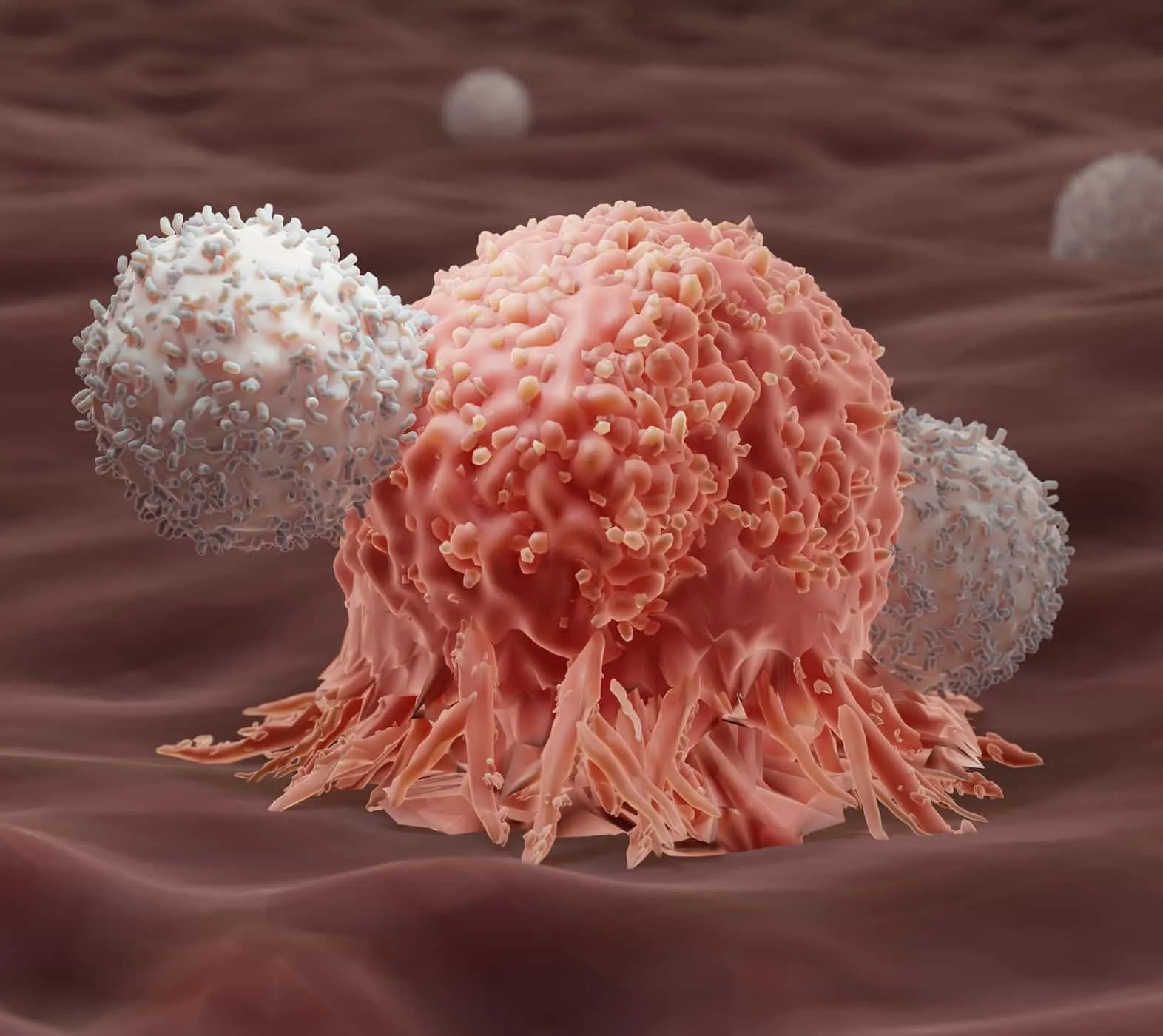 Analysing dozens of human bone marrow specimens and applying in silico discovery strategies, Alhena Science has identified and characterized several tumour-specific antigens to target liquid tumours and develop effective treatments for diseases with highly unmet clinical needs.
These antigenic determinants are specifically expressed on tumor cells and can serve as tumor antigens. Alhena Science’s approach involves engineering the patient's T cell to express a specific chimeric antigen receptor (CAR) capable of selectively recognizing and eliminating the cancer cell.
Most importantly, the antigen expression is restricted to tumour cells, sparing healthy cells and tissues, thus predicting a highly safe profile. Through an extensive preclinical program, Alhena Science has generated solid safety and efficacy data in animal disease models and patient-specific animal models, where the selected CAR-T cell constructs induce a significant increase in survival, along with the rapid elimination of cancer cells in the absence of in vitro and in vivo hematopoietic toxicity.
The first clinical indication of this immuno-gene therapy program is acute myeloid leukemia, a severe liquid tumour affecting children and adults with highly unmet clinical need.
Acute myeloid leukemia
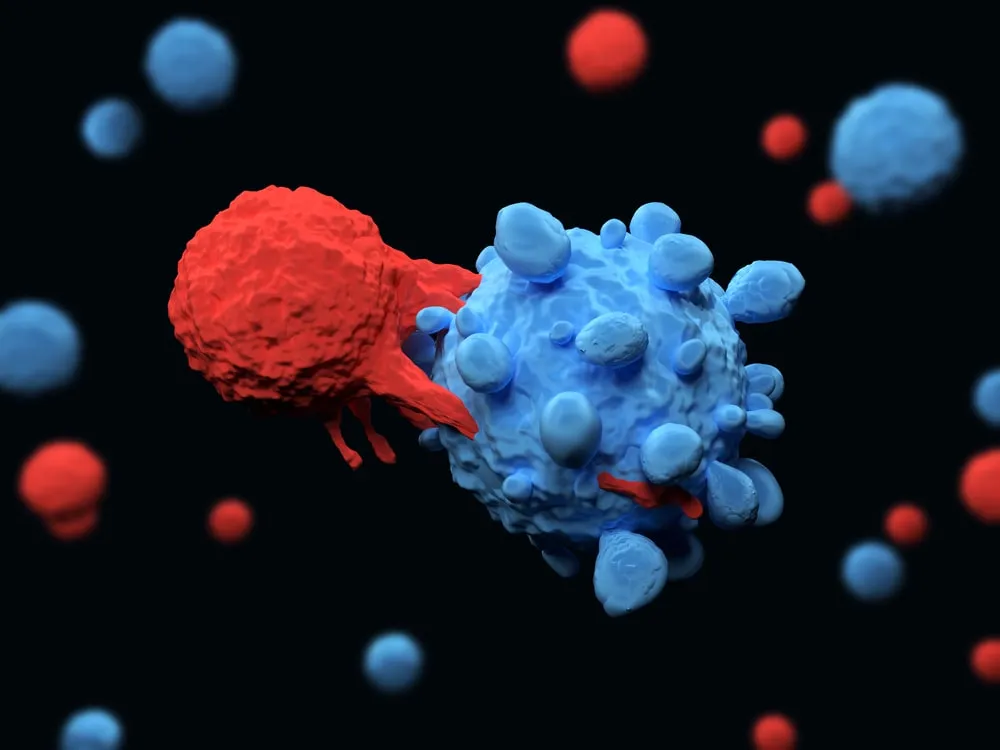 Leukemia is a cancer of the blood, deriving from healthy hemopoietic stem cells or progenitors that change and grow out of control due to gene mutations and chromosome rearrangements. Acute myeloid leukemia is a bone marrow stem cell cancer that arises from the unbridled and rapid proliferation of clonal hematopoietic cells, interfering with the production of normal blood cells. Unlike chronic leukemia, acute leukemia develops quickly and is a severe life-threatening disease that needs immediate treatment. This can lead to a variety of symptoms, including fatigue, weakness, shortness of breath, frequent infections, anemia, easy bruising or bleeding and death.
The incidence of acute myeloid leukemia increases with age and is more commonly diagnosed in older adults with an average age of diagnosis around 68 years old. The incidence rate varies based on several factors such as sex, race, and geography. Worldwide, the estimated annual incidence of AML has increased gradually in the past 28 years (from 64/1000 in 1990 to 120/1000 new diagnoses in 2017). In children the estimated rate of 0.6-1.2 cases per 100,000 children per year, with infants younger than two years old and adolescents having the highest incidence and the more life-threatening forms. Despite the great advances in discovering new therapeutic approaches for many types of malignancies, acute myeloid leukemia remains nowadays a challenge for onco-hematology researchers, with an overall survival ranging between 50 and 74% at 8 years from diagnosis in children and between 15 and 45% in adults. The most successful treatment for acute myeloid leukemia depends on the results of the first treatment, with systemic chemotherapy being the primary treatment, which is delivered through the bloodstream to destroy cancer cells, usually by ending the cancer cells’ ability to grow and divide. Hematopoietic stem cell transplantation is recommended as consolidation therapy in both children and adult patients, in whom cytogenetic or molecular studies predict a poorer prognosis with only chemotherapy. Most recently, novel targeted therapies are also used to target leukemia’s specific genes, proteins that contributes to the growth and survival of the leukemia, specifically in adult patients. This type of treatment is preferred because it blocks the growth and spread of leukemia cells while limiting the damage to healthy cells. Targeted therapies are frequently used to treat metastatic cancer or relapses and have been shown to achieve an effective tumor control for several months. However, these rarely induce a durable treatment response, mostly due to the emergence of aggressive drug-resistant clones. Thus, acute myeloid leukemia, which is the most common leukemia diagnosed in adults, still represents the paradigm of resistance to front-line therapies in hematology and it is an indication with highly clinical unmet needs. Although multiple disease-candidate tumour associated antigens have been identified, most are also expressed by normal hematopoietic stem and progenitor cells, greatly limiting their efficacy along with exposing the patient to severe toxicity. Therefore, the poor evidence of benefit is often accompanied by evidence of toxicity. The newly identified tumour-specific antigens potentially possess the ability to overcome these clinically relevant limitations.
Publications
- Successful preclinical proof-of-concept study of a CAR-T cell approach targeting CD84 to treat acute myeloid leukemia. Hum Gene Ther 2025;36:e165.
- Preclinical development of a CAR-T cell approach targeting the CD84 antigen associated to pediatric acute myeloid leukemia. Blood 2022;140(Suppl 1):10247-10248.
- CD72 is a pan-tumor antigen associated with childhood acute leukemia. Blood 2022;140(Suppl 1):4974-4975.